Specifying light fixtures is one of my favorite elements of an interior design project. Not only does lighting provide a functional purpose, but a well selected light fixture can also become a design moment - acting as an art object or evoking an emotional response. By understanding the different types of lighting considerations, you can ensure your project has a well-rounded lighting strategy.
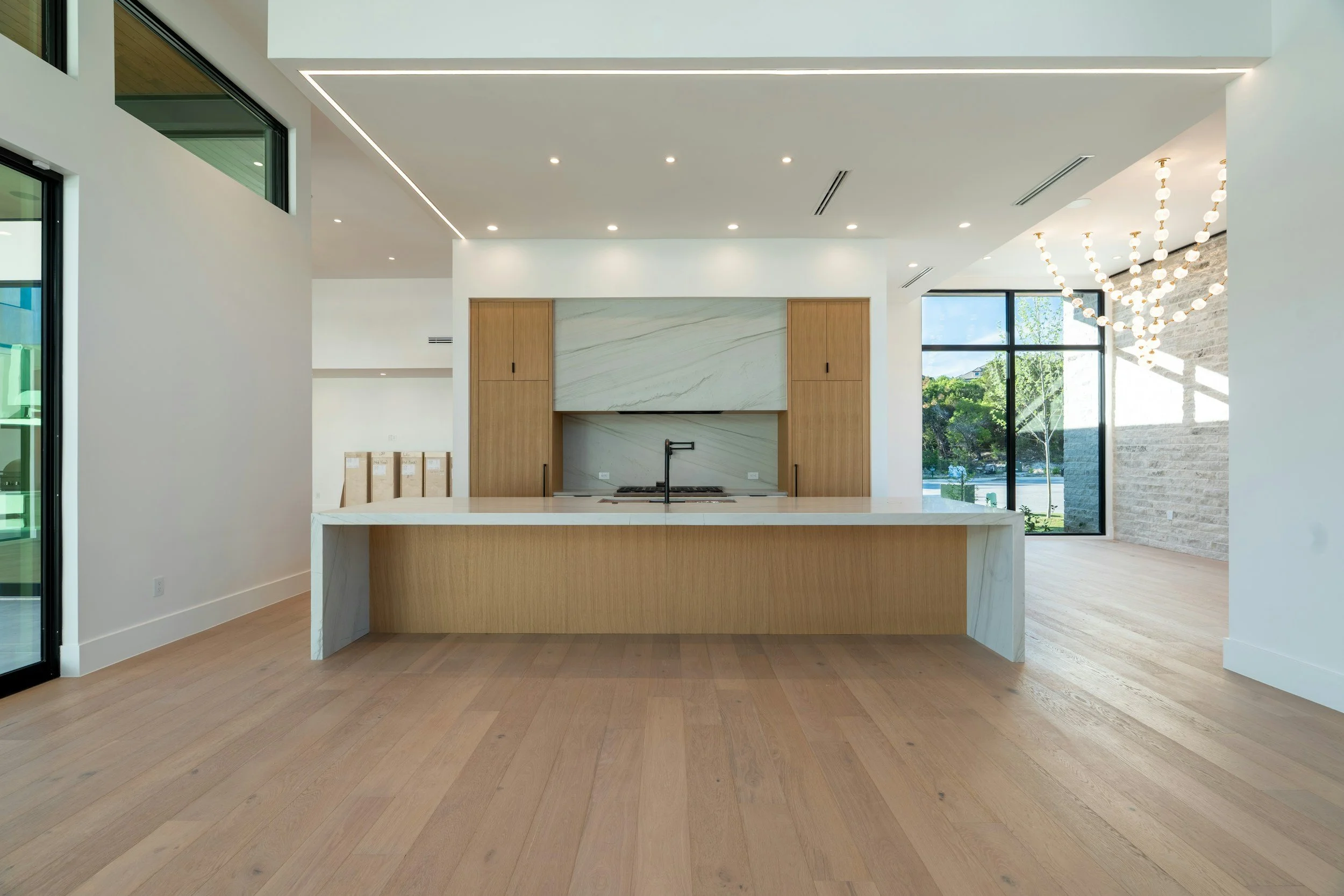
Ambient Lighting
Ambient lighting is the backdrop or general lighting of a space. It provides a sense of place or purpose without distracting from the bigger picture. It offers overall illumination so people can navigate and see comfortably. Wall washers, recessed downlights, and large linear ceiling lights are all examples of ambient lighting types.
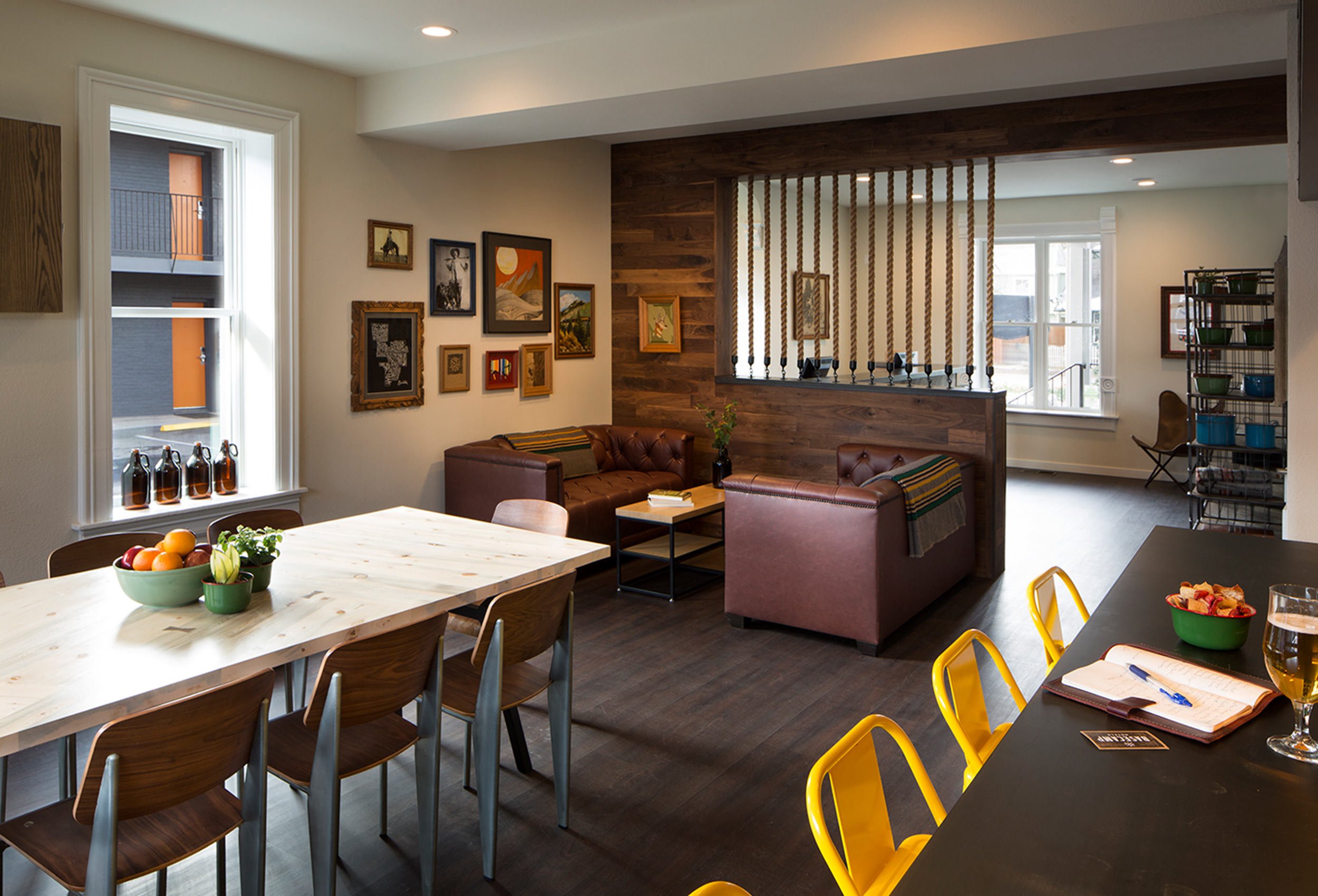
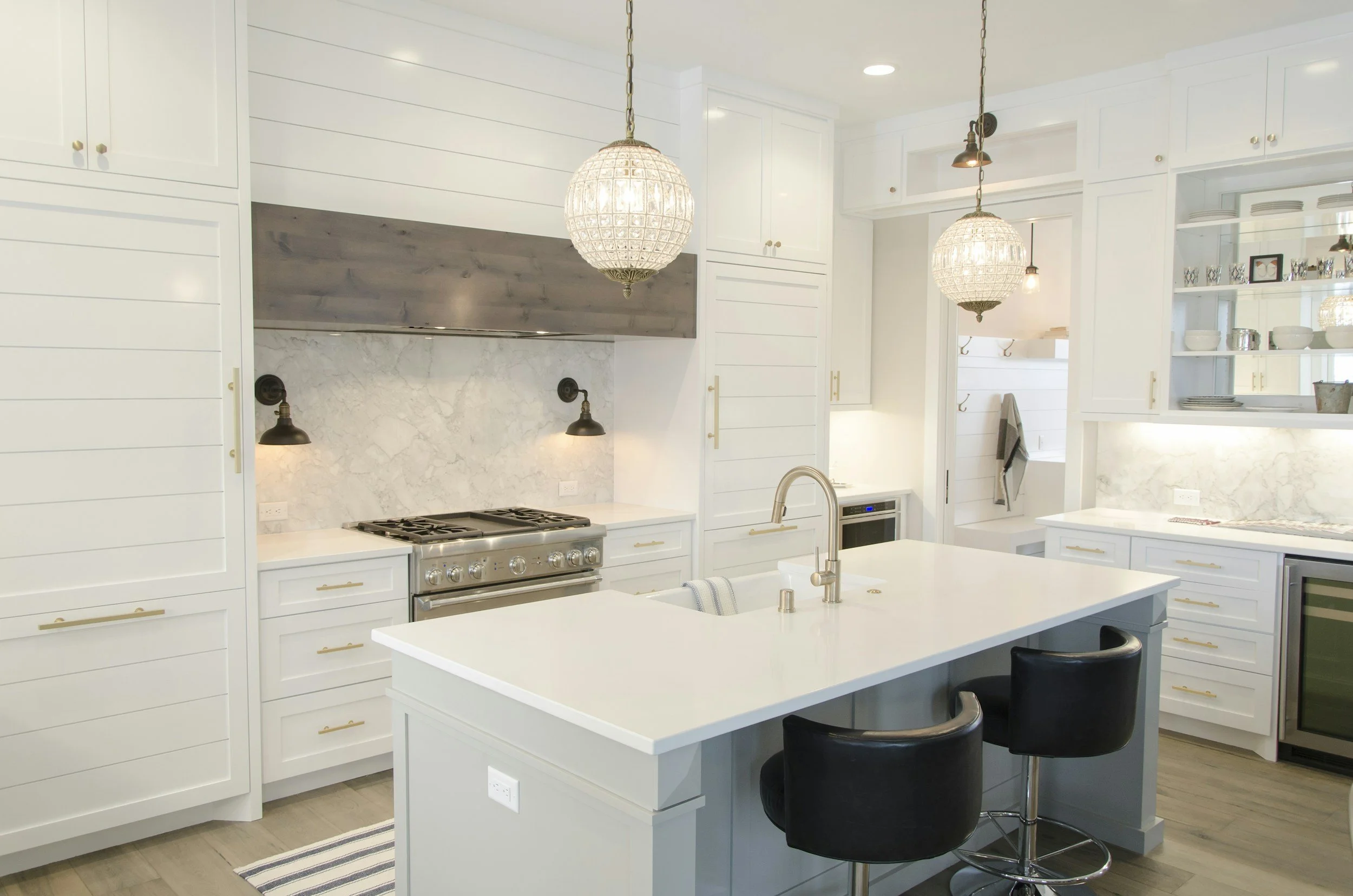
Task Lighting
This is the focus lighting—it allows you to see what’s important. Task lighting illuminates areas that require visual focus or concentration. If the program of a room involves detailed attention, it will more than likely benefit from added task lighting. Activities like reading, cooking, sewing, or working can benefit from reading lights, desk lamps, overhead lighting, or under-cabinet LEDs.
Accent Lighting
Accent lighting helps create aesthetic balance with the other lighting types in a project. Oftentimes, this is a purposefully selected lighting moment meant to visually stand out, rather than disappear into the background like ambient lighting. In some projects, accent lighting can highlight specific features, textures, or objects, adding a sense of drama and visual hierarchy. Spotlights, picture lights, or large-scale feature fixtures are all examples of accent lighting.

Lighting can provide both function and atmosphere. Curated ambient light can set the backdrop or establish the mood, while task lighting supports focused activities. Accent lighting adds a layer of visual interest and personality. By integrating and layering all three types of lighting, you can create flexible, comfortable, and visually engaging spaces.